

Maize Biology
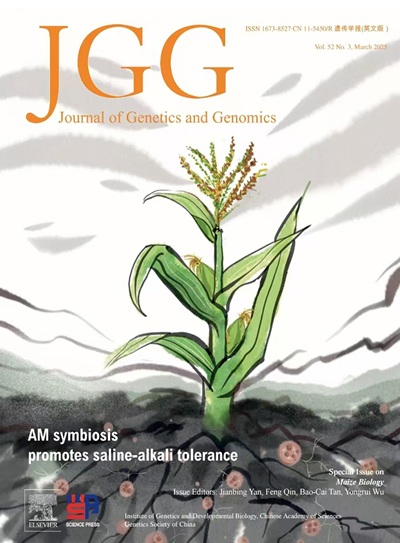
Maize is a crucial crop that supplies food, animal feed, energy, and various industrial products. As a prominent C4 plant, maize is consistently among the most widely cultivated crops globally, often surpassing others in production. Its increasing significance in human life has led breeders to focus on developing high-yield and nutritionally rich maize varieties. Additionally, the crop's extensive genetic diversity positions it as an exceptional model for research to understand the molecular mechanisms underlying key agronomic traits and biological processes. In recent years, innovations in genomics, computational biology, and molecular genetics have propelled remarkable advancements in maize research. This special issue on Maize Biology delves into the intricate mechanisms governing plant responses to biotic and abiotic stresses and the detailed processes of organ and seed development and organellar gene expression. It also features comprehensive reviews on important topics such as fungi-induced plant resistance, nitrogen and phosphorus assimilation and transport, and meristems' maintenance and differentiation, highlighting the latest developments from fundamental research to practical applications.
Edited by
Dr Jianbing Yan - Huazhong Agricultural University, Wuhan, China
Dr Feng Qin - China Agricultural University, Beijing, China
Dr Bao-Cai Tan - Shandong University, Qingdao, China
Dr Yongrui Wu - CAS Center for Excellence in Molecular Plant Sciences, Shanghai Institute of Plant Physiology and Ecology Chinese Academy of Sciences, Shanghai, China
Pages 273-448 (March 2025)
- Previous: Human Genetics and Genomics
- Next: Zebrafish Biology